
Understanding the psychological triggers that drive gambling behavior
The Role of Cognitive Biases in Gambling
Cognitive biases significantly influence gambling behavior, often leading individuals to make irrational decisions. One prevalent bias is the illusion of control, where gamblers believe they can influence the outcome of games, even when the results are purely based on chance. This misconception can lead players to engage in risky behavior, believing they have a skill that simply does not exist. Many enthusiasts enjoy playing online poker, reinforcing the illusion that skill can dominate luck.
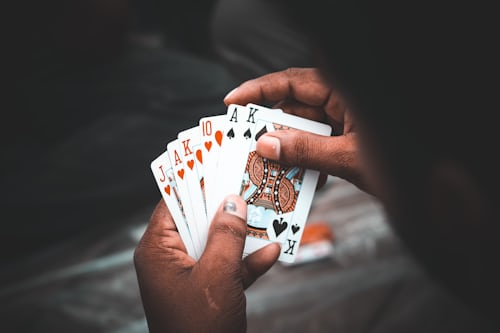
Another common bias is the gambler’s fallacy, which suggests that past outcomes affect future probabilities. For instance, if a player has experienced several losses in a row, they may feel that a win is due, leading them to gamble more. These cognitive distortions create a misleading sense of confidence, driving continued participation in gambling activities.
The Impact of Emotional Triggers
Emotions play a crucial role in gambling behavior, as individuals often seek out gambling as a means to escape negative feelings or enhance positive ones. For some, the thrill of gambling can temporarily alleviate stress, anxiety, or depression. This emotional high can create a cycle where individuals continually return to gambling for relief, even as losses accumulate.
Conversely, feelings of excitement and euphoria can lead to reckless betting, especially during winning streaks. This emotional rollercoaster can overshadow rational decision-making, compelling gamblers to chase losses or increase their bets in hopes of recapturing their previous success. Understanding these emotional triggers is essential for addressing gambling behavior.
The Allure of Rewards and Reinforcement
The psychology of rewards significantly influences gambling behavior. The variable ratio reinforcement schedule, common in gambling, means that players receive rewards at unpredictable intervals. This unpredictability can create a powerful dopamine response in the brain, making the experience exhilarating and reinforcing the desire to play again.
Additionally, the excitement associated with potential wins can overshadow the reality of losses, making it difficult for gamblers to recognize the negative consequences of their behavior. The anticipation of winning can often lead individuals to overlook the odds, reinforcing their gambling habits as they become more engrossed in the thrill rather than the actual outcomes.
The Influence of Social Factors
Social dynamics also play a pivotal role in gambling behavior. Peer pressure and social norms can encourage individuals to participate in gambling activities, especially in environments like casinos or online platforms. The influence of friends and family can either deter or propel someone into gambling, often based on shared experiences or societal acceptance.
Furthermore, the rise of online gambling has transformed social interactions around gambling. Many people now engage in gambling in virtual communities, where they can share experiences, strategies, and outcomes. This social interaction can normalize gambling behavior, making it more acceptable and increasing the likelihood of participation among individuals who might otherwise abstain.

Promoting Responsible Gambling on Our Platform
At our website, we understand the complexities of gambling behavior and the psychological triggers that can lead to problematic gambling. We prioritize user safety and provide resources to help individuals recognize their gambling patterns and make informed decisions. Our commitment to promoting responsible gambling is reflected in our educational content and support services.
We strive to create a secure environment where users can enjoy gambling responsibly. By offering tools and resources for self-assessment and managing gambling habits, we aim to support our users in making positive choices that enhance their gaming experience while minimizing risks associated with gambling.